Gardeners for riverside lawns by Fulham Palace and Bishops Park
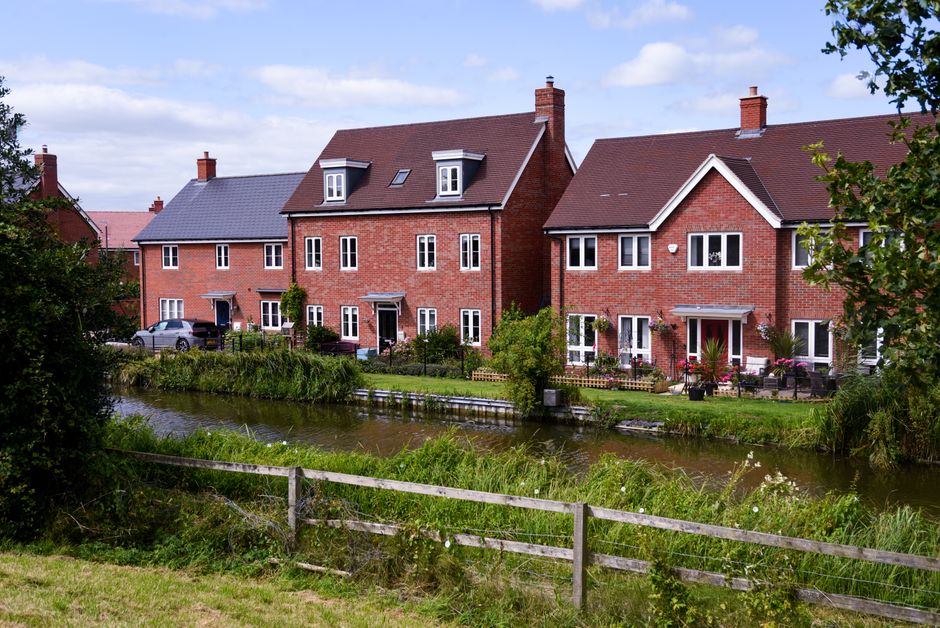
If you look after a lawn near the Thames-side open spaces around Fulham Palace and Bishops Park, you already know it is not a standard garden job. The grass can look gorgeous one week and a bit tired the next. Shade from mature trees, footfall from walkers, compacted soil, damp patches after rain, and those little wind-blown bits of debris all add up. That is where Gardeners for riverside lawns by Fulham Palace and Bishops Park come in: practical, local, steady hands that understand how these lawns behave in real life, not in a perfect brochure photo.
This guide breaks down what riverside lawn care actually involves, why it matters, what a good gardener will do, and how to judge the difference between a quick tidy-up and proper long-term lawn care. If you are weighing up help for your own patch of grass, or simply want a better standard from a current service, you will find the details here.
In our experience, the best results come from consistency, not drama. A lawn near water and heavy public use needs the right routine, the right timing, and a bit of patience. Simple enough, though not always easy.
Table of Contents
- Why Gardeners for riverside lawns by Fulham Palace and Bishops Park Matters
- How Gardeners for riverside lawns by Fulham Palace and Bishops Park Works
- Key Benefits and Practical Advantages
- Who This Is For and When It Makes Sense
- Step-by-Step Guidance
- Expert Tips for Better Results
- Common Mistakes to Avoid
- Tools, Resources and Recommendations
- Law, Compliance, Standards, or Best Practice
- Options, Methods, or Comparison Table
- Case Study or Real-World Example
- Practical Checklist
- Conclusion
- Frequently Asked Questions
Why Gardeners for riverside lawns by Fulham Palace and Bishops Park Matters
Riverside lawns are not just lawns with a nice postcode. They sit in a very particular environment. Near Fulham Palace and Bishops Park, grass can be affected by moisture, shade, compacted pathways, seasonal leaf fall, and occasional wear from events, dogs, children, and general weekend use. The result is usually a lawn that needs more than a cut and run.
The right gardener understands the pattern. For example, one part of the lawn may stay damp and soft for days after rain, while another dries quickly and starts thinning. A one-size-fits-all approach tends to make things worse. Cut too short? You invite stress and patchiness. Ignore the surface? Moss and weeds move in quietly. Leave debris sitting? The grass below starts to sulk, frankly.
There is also a visual side to all this. Riverside lawns are part of a wider landscape experience. They frame walks, viewlines, and public enjoyment. A clean, balanced lawn complements the surroundings. A rough one stands out, and not in a charming way.
Expert summary: riverside lawn care is really about balance: regular maintenance, careful mowing height, drainage awareness, seasonal feeding, and a watchful eye for damage. Get those parts right and the lawn becomes easier to manage, not harder.
How Gardeners for riverside lawns by Fulham Palace and Bishops Park Works
Good riverside lawn care starts with observation. Before any work begins, a gardener should check the condition of the turf, the soil, the edges, and the surrounding planting. The aim is to identify what is actually happening rather than guessing. Sounds obvious, but you would be surprised how often that step gets rushed.
A proper maintenance routine usually includes a mix of mowing, edging, raking, aeration where needed, weed control, and seasonal improvements. If the grass is thin or patchy, a gardener may recommend overseeding or light topdressing. If the soil is compacted, air and water struggle to move through it, so the lawn may need aeration first. If shade is limiting growth, the cutting height and feeding plan should reflect that.
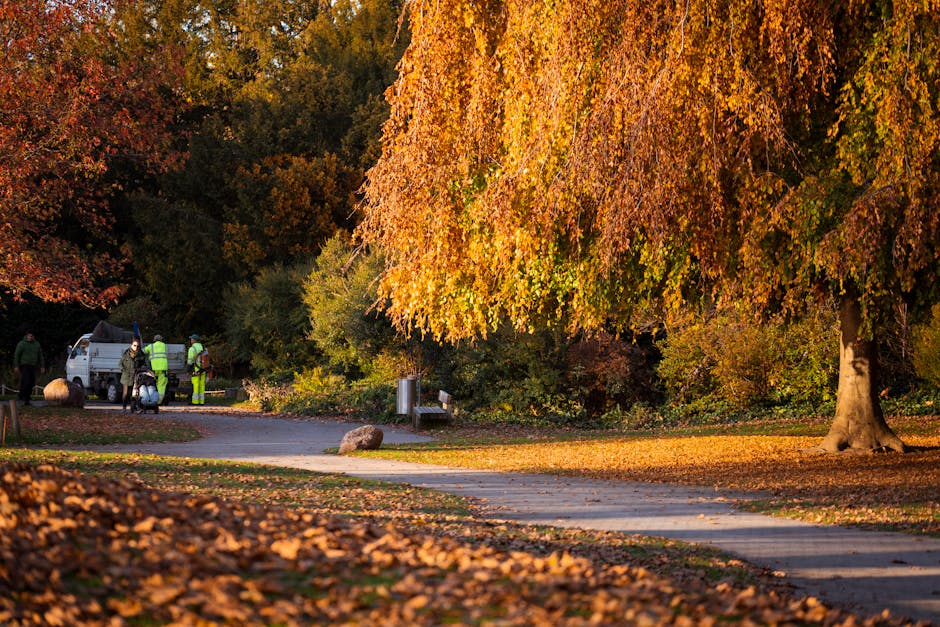
The work is also seasonal. Spring often brings recovery and fresh growth. Summer needs careful mowing and watering judgement. Autumn is about preparing the lawn for wetter conditions and leaf fall. Winter is usually a quieter period, but that does not mean the lawn is ignored. Quite the opposite. A lot can go wrong if heavy foot traffic and wet soil are left unchecked.
For broader upkeep beyond the grass itself, many clients combine lawn care with garden maintenance so the whole space stays tidy, healthy, and manageable. Where overgrowth has started to dominate borders or entry paths, garden clearance can help reset the space before lawn work begins.
Key Benefits and Practical Advantages
There is more to this service than a neat-looking lawn. A well-managed riverside lawn performs better, costs less to rescue later, and simply feels better to use. You notice it underfoot. Softer, cleaner, more even. The whole area seems calmer somehow.
- Healthier turf: regular, appropriate care helps grass grow denser and outcompete weeds.
- Better drainage performance: where soil condition is monitored, waterlogging is less likely to linger.
- Cleaner appearance: sharp edges, even cuts, and cleared debris improve the overall look immediately.
- Safer surfaces: fewer hidden holes, fewer slippery patches, fewer awkward trip points.
- Lower repair needs: consistent maintenance is usually cheaper than restoring a neglected lawn.
- Seasonal resilience: grass that is cut and fed correctly tends to cope better with stress.
There is another practical benefit that is easy to miss: good lawn care protects the rest of the landscape. If a lawn is too weak, surrounding beds get overrun, borders look scruffy, and the whole site starts to feel unloved. One weak patch has a habit of spreading its mood.
For properties with hedging, shrubs, or layered borders, it often makes sense to pair lawn care with hedge trimming and, where needed, careful landscaping to improve structure and reduce pressure on the grass.
Who This Is For and When It Makes Sense
This kind of service is a strong fit for homeowners, landlords, managing agents, and anyone responsible for a riverside green space that needs steady upkeep. It is especially useful if the lawn sees frequent visitors or if it sits in a microclimate that stays damp, shaded, or exposed to wind.
You may need this service if:
- the grass is thinning near the edges or along footpaths;
- moss keeps returning after mowing;
- the lawn looks tired even after cutting;
- water sits on the surface after rain;
- the turf has patchy wear from people, pets, or equipment;
- you want a more polished look ahead of events, viewings, or seasonal use;
- you simply do not have the time to manage the lawn properly yourself.
It also makes sense if you are already using lawn mowing services but have noticed that mowing alone is not solving the real problem. Mowing keeps things tidy. It does not fix compaction, poor drainage, or weak turf on its own. That bit matters.
And let's face it, most lawns do not fail in one dramatic moment. They decline slowly, then suddenly people notice the weeds.
Step-by-Step Guidance
Here is a practical way to think about the process from first inspection through to ongoing care.
1. Inspect the lawn properly
A good gardener starts with the basics: grass health, soil condition, drainage, shade, weeds, and traffic patterns. Around riverside spaces, the gardener should also check for debris, compaction, and areas that stay wet or churn up easily.
2. Decide what the lawn actually needs
Not every tired lawn needs the same treatment. Some need a gentler cut and regular feed. Others need aeration and overseeding. A few need a more serious reset. The trick is not to overdo it when a lighter intervention would do the job.
3. Set the mowing approach
Mowing height should reflect the season and condition of the grass. Cutting too low can stress the lawn, especially in sunny spells or on thin turf. A careful gardener will keep the cut high enough to protect the grass while still maintaining a neat finish.
4. Tackle edges and transitions
Edges matter more than many people think. A crisp boundary between lawn, path, bed, and hedge gives the whole place structure. It also reduces encroachment and makes future maintenance easier.
5. Address soil and drainage issues
If the lawn feels spongy, compacted, or waterlogged, the underlying soil may need attention. Aeration, topdressing, and gentle recovery work can make a noticeable difference over time. Not overnight. Over time.
6. Follow up with seasonal care
This is where proper maintenance pays off. Regular visits keep the lawn on track, prevent problems from building up, and make each future visit easier. A lot of people wait until the lawn looks bad, then call for help. Fair enough, but a better routine is far less stressful.
If you want a wider service plan rather than isolated visits, it is worth looking at services overview information to see how recurring tasks can be grouped sensibly.
Expert Tips for Better Results
These are the kinds of practical details that make a visible difference over the season.
- Do not scalp the grass. Riverside lawns are often more vulnerable to stress than they look. A slightly higher cut is usually safer.
- Work with the weather, not against it. Wet ground and heavy machinery can cause unnecessary damage.
- Keep mower blades sharp. A clean cut helps the grass recover faster and look tidier.
- Watch the shaded sections closely. Under trees and along high walls, grass often needs different treatment from the sunnier areas.
- Clear leaves and debris quickly. Damp debris blocks light and air. It is a small job that prevents larger problems.
- Don't overfeed without a reason. Too much fertiliser can push soft growth that struggles later.
- Use recurring checks rather than crisis fixes. A quick inspection every so often beats a big repair job every spring.
One small, slightly nerdy truth: good lawn care is often invisible. When it is working, nobody thinks about it. They just notice the lawn feels right underfoot and looks calm from a distance. That is the goal.
Common Mistakes to Avoid
Most lawn problems around river-facing spaces come from a few familiar mistakes. The good news is that they are avoidable once you know what to look for.
- Cutting too short too often: this weakens the lawn and makes it more vulnerable to stress, weeds, and moss.
- Ignoring drainage issues: if water keeps sitting on the surface, mowing alone will not fix it.
- Using one routine all year: spring, summer, autumn, and winter each ask for something slightly different.
- Leaving compaction untreated: if the soil is packed down, the grass cannot thrive properly.
- Letting edges go wild: messy margins make even a healthy lawn look tired.
- Putting off maintenance until it is urgent: by then, the repair work is usually more disruptive and more expensive.
Another classic mistake is assuming every brown patch means the same thing. Sometimes it is wear. Sometimes drought. Sometimes shade. Sometimes poor soil. The fix changes depending on the cause, so a careful diagnosis saves time and money.
Tools, Resources and Recommendations
You do not need every tool under the sun, but the right kit does matter. For professional riverside lawn care, the essentials are usually straightforward.
| Tool or resource | What it helps with | Why it matters near riverside lawns |
|---|---|---|
| Sharp mower | Regular cutting | Protects grass blades and reduces stress on damp or soft turf |
| Rake or leaf collector | Debris removal | Stops wet leaves and litter from smothering the lawn |
| Aerator | Soil loosening | Improves air and water movement in compacted ground |
| Topdressing materials | Surface improvement | Helps smooth and refresh worn areas over time |
| Trimmer or edging tool | Boundary finishing | Creates neat transitions around paths, beds, and borders |
| Maintenance schedule | Seasonal planning | Keeps work consistent, which is especially important in changeable weather |
For broader garden improvements, clients often combine lawn care with landscape gardening when they want the whole outdoor space to feel more cohesive. If trees are contributing to shade, excess leaf drop, or safety issues, tree lopping and removal may also be relevant, though that should always be assessed carefully and sensibly.
If the space includes hard surfaces, decking, or seating zones near the lawn, it can also help to look at decking services as part of a wider garden plan. A lawn does not live in isolation. Everything around it influences the feel of the space.
Law, Compliance, Standards, or Best Practice
For riverside lawns, the main point is not to chase legal fine print for the sake of it, but to work safely, responsibly, and in line with accepted UK garden maintenance practice. If a gardener is operating near public paths, shared access points, or boundary lines, good site awareness matters. So does insurance, proper equipment use, and clear communication about what work is being done.
There are also practical environmental considerations. Grass clippings, green waste, and cuttings should be handled in a way that supports recycling or responsible disposal where possible. If you care about sustainability, it is worth asking how waste is managed and whether the maintenance approach reduces avoidable runoff, overuse of chemicals, or repeated waste from poor planning. The best outcome is usually tidy, efficient, and a bit kinder to the environment.
For service providers, transparent working practices are a sign of professionalism. It is reasonable to expect clear pricing, sensible scheduling, and proper safety measures. If you want to understand how a company handles those things, pages like insurance and safety, health and safety policy, and recycling and sustainability can tell you a lot about their approach.
And because trust matters, it is also fair to check about us for background and pricing and quotes for clarity before you commit. No one enjoys surprises on an invoice. Not even a little.
Options, Methods, or Comparison Table
Different lawns need different levels of care. Here is a simple comparison to help you choose the right approach.
| Approach | Best for | Strengths | Limitations |
|---|---|---|---|
| Basic mowing only | Mostly healthy lawns with light use | Quick, tidy, low effort | Does not solve compaction, moss, or drainage issues |
| Routine maintenance package | Lawns that need regular upkeep | Balances mowing, edging, and general care | May not be enough for badly damaged turf |
| Recovery-focused treatment | Patchy, thin, or worn riverside lawns | Addresses underlying causes and improves turf health | Needs time and follow-up |
| Full landscape refresh | Sites with broader layout or aesthetic issues | Can transform usability and visual appeal | More involved, usually a bigger decision |
The right choice depends on what the lawn is telling you. If the grass is healthy but the finish is messy, mowing and edging may be enough. If the lawn is thin, puddled, and tired-looking, it probably needs a more thoughtful intervention. Simple as that.
Case Study or Real-World Example
Picture a riverside garden just a short walk from Fulham Palace and Bishops Park. The lawn gets decent light in the morning, then shade later in the day. It also sees regular foot traffic from a side path to a seating area. Over time, the grass near the path becomes compacted and patchy, while the centre stays greener but slightly uneven. Leaves collect along the back edge, and the whole area starts to look flat rather than lively.
A sensible gardener would not just reach for the mower and call it done. First comes inspection. Then a plan: raise the mowing height a little, improve the edges, clear debris, aerate the compacted section, and overseed the thinnest patches. If the problem area is mainly from shade, the maintenance routine shifts to match that. The result is not instant perfection, because that would be fantasy, but it does look cleaner within a few visits and stronger by the end of the season.
That is the real value of local expertise. Not magic. Just the right sequence of sensible work.
Practical Checklist
Use this checklist if you are reviewing a current gardener or planning a new maintenance schedule.
- Check whether the lawn is being cut at an appropriate height for the season.
- Look for signs of compaction, pooling water, or soft ground.
- Make sure edges are being trimmed and defined.
- Confirm that leaves, litter, and clippings are cleared after work.
- Ask whether moss, weeds, and patchiness are being addressed, not just hidden by a cut.
- Review whether shaded or high-wear areas are treated differently.
- Find out how often the lawn is inspected during wetter months.
- Confirm that safety and insurance are in place for the work being done.
- Ask how green waste is handled and whether recycling practices are used.
- Check that the maintenance plan is realistic for the site, not just convenient for the schedule.
If you are comparing providers, it can also help to review services overview alongside the specific lawn work. A full picture usually gives you a better decision than a quick glance ever will.
Conclusion
Riverside lawns by Fulham Palace and Bishops Park need more than a routine mow. They need careful timing, an eye for the site, and an understanding of how water, shade, wear, and soil condition all shape the result. The best gardeners do not just make the grass look neat for a day. They help the lawn stay healthier, steadier, and easier to live with over the long haul.
If you remember one thing, make it this: the lawn is telling you a story. Patchiness, moss, softness, and uneven growth are all clues. Listen early, and you usually save time, money, and a fair bit of frustration later on.
Get a free quote today and see how much you can save.
For a friendly first step, you can also visit the company's contact page to ask about your lawn's condition, your timing, and the kind of maintenance that would actually suit the site. Sometimes the best garden improvements start with a very ordinary conversation.
Frequently Asked Questions
What do gardeners for riverside lawns by Fulham Palace and Bishops Park usually do?
They usually handle mowing, edging, debris clearance, turf care, seasonal maintenance, and problem-solving for issues like damp soil, shade, compaction, and patchy growth. The exact service should match the lawn's condition.
Why are riverside lawns harder to maintain than ordinary lawns?
They often deal with more moisture, more debris, more foot traffic, and more variation in shade. That combination can make grass weaker in some places and stronger in others, so the maintenance needs to be more tailored.
How often should a riverside lawn be mown?
That depends on growth rate, weather, and how the lawn is used. In active growing periods, more regular mowing is usually better than waiting too long and removing too much at once.
Is moss a sign of poor lawn care?
Not always, but it often points to a mix of shade, dampness, compaction, and weak grass. On riverside sites, moss is common enough that it should be treated as a site condition problem, not just a surface nuisance.
Can a patchy riverside lawn be restored?
Yes, in many cases. Restoration might involve aeration, overseeding, improved cutting practice, drainage attention, and seasonal follow-up. If the damage is severe, a bigger reset may be more practical.
What should I ask before hiring a gardener for this type of lawn?
Ask how they assess shade and drainage, what mowing height they recommend, whether they handle edging and debris clearance, and how they approach patchy or compacted turf. Clear answers are a good sign.
Do I need a full landscaping service or just lawn care?
If the issue is mainly the grass, lawn care may be enough. If the whole outdoor layout feels awkward, worn, or poorly structured, then a broader landscaping approach may be more useful.
How does seasonal change affect the lawn near the river?
Spring usually encourages growth, summer can stress the grass if it is cut too short, autumn adds leaf fall and dampness, and winter increases the risk of compaction or surface damage. The routine should shift with the season.
Are tree roots a problem for riverside lawns?
They can be. Roots compete for water and nutrients, and tree cover can create deep shade. In some cases, trimming or removing badly placed growth may be part of the wider solution, though that should always be assessed carefully.
How do I know if the lawn is being maintained properly?
You should see consistent cutting, tidy edges, clear debris, and signs that underlying issues are being addressed rather than ignored. A good lawn looks healthy over time, not just briefly neat after a visit.
What is the biggest mistake people make with riverside lawns?
The biggest mistake is treating every problem like it can be solved with mowing alone. Mowing is important, but it is only one part of proper care. Without attention to soil, shade, and drainage, the lawn often declines again.
Can I combine lawn care with other garden services?
Yes, and often that is the smarter approach. Many people combine it with garden maintenance, hedge trimming, or even a broader site tidy-up when the whole garden needs attention.
Where can I check the company's approach to safety and trust?
It is sensible to look at the company's pages on insurance and safety, health and safety policy, and about us. Those pages usually help you judge whether the service is set up properly.
What if I only need one-off help before an event or inspection?
That can still be worthwhile. A one-off visit can improve presentation, clear away clutter, and bring the lawn back to a respectable state quickly. It is not always a complete fix, but sometimes that is exactly what you need right now.