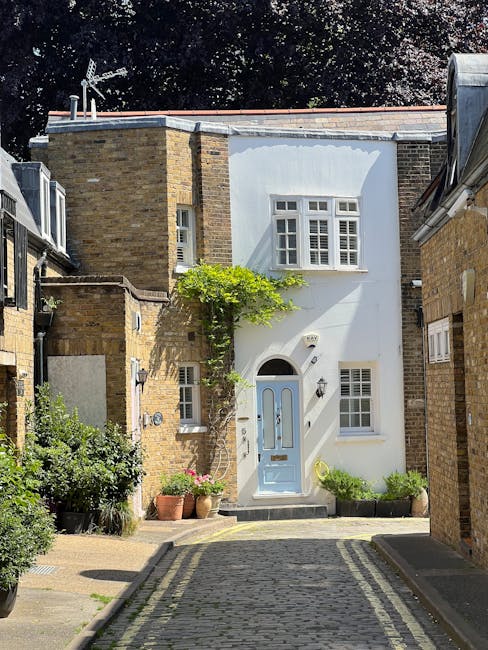
Access problems for Fulham garden maintenance in mews terraces
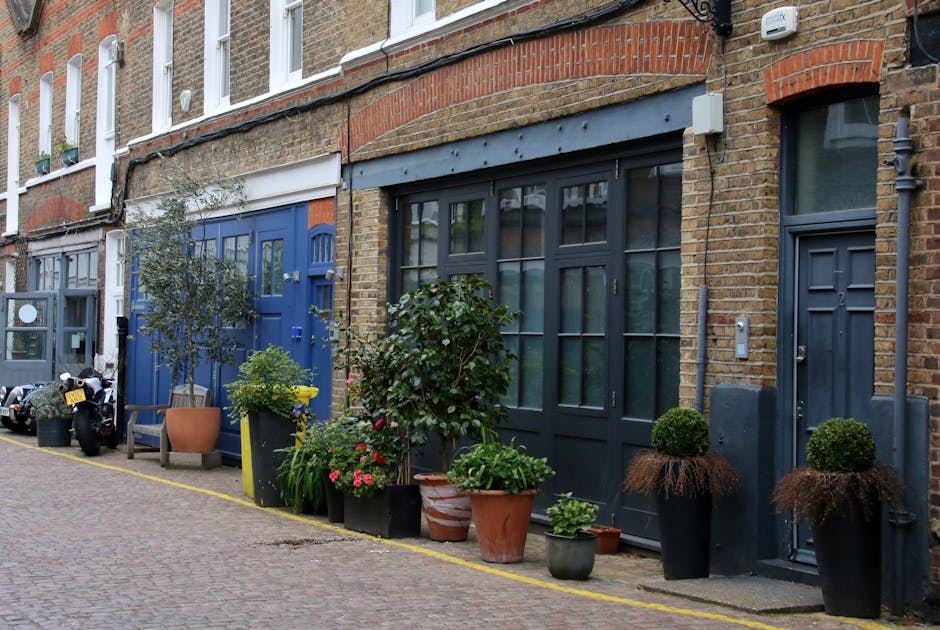
Fulham mews terraces look charming from the street: compact frontages, tucked-away courtyards, old brick, narrow side passages, and that quietly tucked-in London feel. But anyone who has tried to keep a garden in one of these homes knows the awkward bit is not always the work itself. It is the access. Access problems for Fulham garden maintenance in mews terraces can make even simple jobs feel like a small logistics exercise, especially when tools, waste bags, lawn equipment, or plant stock need to move through tight entrances, shared walkways, or awkward rear approaches.
That does not mean maintenance becomes impossible. Far from it. It just needs a more careful plan, a bit of local awareness, and a service approach that respects the shape of the property. In this guide, you will find a practical breakdown of why access matters, how it changes the way garden maintenance is carried out, what to watch out for, and how to make the whole process smoother without overcomplicating things. Truth be told, this is the sort of issue that sounds minor until a mower will not fit through the gate.
Why access problems in mews terraces matter
Access is not just a convenience issue. It affects timing, cost, safety, and the quality of the finish. In a mews terrace, the garden may sit behind the property, behind a shared courtyard, or beyond a narrow route that was never designed for modern maintenance equipment. That changes everything. A team might need to carry clippers, leaf collectors, bags of cuttings, compost, stepping boards, or a small mower by hand. One tight corner can add ten minutes. A badly timed parking issue can add an hour. And if the route is awkward enough, a larger job can become a two-person carry rather than a one-person visit.
That matters because garden care is often judged by the result, not the effort behind it. A clipped hedge still needs to look clean, lawn edges still need to be neat, and waste still needs to disappear without damaging walls, pots, paving, or shared areas. For owners and tenants in Fulham, where many properties sit close together and privacy is prized, the right approach protects both the garden and the building fabric.
There is also the neighbour factor. A noisy, prolonged, or clumsy access route through a shared passage can create friction very quickly. Nobody wants to drag muddy sacks past someone's kitchen window on a Tuesday morning. A considerate access plan avoids that. It keeps the job calm. And in residential areas, calm is underrated.
If you are planning broader work rather than routine upkeep, it can help to look at the wider services overview so you can match the job size to the property access available. For ongoing work, garden maintenance is usually the simplest fit because it can be scheduled around tight access and recurring constraints.
How access challenges affect garden maintenance
Garden maintenance in a mews terrace usually starts long before the first cut or sweep. The real work begins with a walk-through: measuring the entry width, checking surface conditions, identifying where equipment can be carried, and spotting obstacles such as low railings, steep steps, glazed doors, bin storage, or shared hallways. A careful team will think about waste movement too. There is little point trimming a hedge neatly if the clippings cannot be removed without trailing debris through the property.
In practice, access problems usually fall into a few clear patterns:
- Narrow side gates or rear entrances that restrict mower size and wheelbarrow use.
- Shared mews walkways where movement must stay quiet, tidy, and unobtrusive.
- Restricted parking that means tools and waste must be carried from further away.
- Internal routes through the home when the garden is only reachable via a basement, kitchen, or hallway.
- Limited turning space for vans, which affects loading and unloading.
- Delicate surfaces such as stone paving, painted thresholds, or old timber steps that need protection.
In a standard open-access garden, a crew can move fast. In a Fulham mews terrace, speed depends on planning. That does not mean the service is slower in a bad way; it is simply more deliberate. The best teams adapt by using smaller tools, splitting the work into stages, and protecting routes with mats or boards where needed. Sometimes the tidy solution is a hand tool rather than a powered one. Slightly old-fashioned? Maybe. But effective. Very effective.
For jobs involving cutting back overgrowth or removing accumulated waste, garden clearance can be a sensible starting point before routine maintenance begins. If access is tight and there is a lot to remove, that first clean-up can make future visits much easier.
Key benefits and practical advantages
When access is handled properly, the benefits are bigger than people expect. The obvious one is that the work gets done. The less obvious one is that it gets done with less stress for everyone involved.
- Cleaner results: careful access planning reduces debris trails, scuffed paving, and accidental damage to walls or gates.
- Better scheduling: once the route is understood, maintenance visits can run to a reliable pattern.
- Less disruption: neighbours, tenants, and homeowners are not asked to deal with constant noise or repeated movement through the property.
- Safer handling: smaller loads, better lifting routes, and clearer paths lower the chance of slips and knocks.
- More accurate pricing: a realistic access assessment helps avoid surprise extras later.
- Long-term property care: careful movement protects finishes, steps, railings, and thresholds that are expensive to repair.
There is also a mental benefit, which sounds fluffy until you are the person arranging the work. If the provider understands the site properly, you do not spend the whole visit wondering whether the mower will fit, whether waste bags will be trapped behind the bins, or whether the back gate has a hidden catch that nobody mentioned. Less guesswork. Less faff.
For clients comparing services, it may also help to review pricing and quotes so you know how access conditions can influence the final scope. Transparent quotes are especially helpful in compact mews settings where every extra carry has a practical cost.
Who this is for and when it makes sense
This topic is relevant to several types of property owner and occupier. You might recognise yourself in one of these situations:
- Homeowners with a private rear garden that can only be reached through a narrow passage or shared mews access.
- Landlords who need a reliable maintenance plan without disturbing tenants or neighbours.
- Managing agents arranging care for a row of closely packed properties with shared access rules.
- Busy residents who want regular upkeep but do not want repeated disruption at awkward times.
- Property renovators dealing with overgrown outside spaces before sale, letting, or landscaping work.
It makes sense whenever a garden is physically awkward to reach or likely to require careful coordination. That might be a tiny courtyard, a rear patio with planted borders, a narrow lawn, or a mixed-use space with decking and planters. If there is any need to move tools through constrained space, access planning should happen before the workday begins, not after the team arrives with a van full of equipment and a hopeful expression.
If the garden is part of a larger refresh rather than routine upkeep, then landscaping or landscape gardening may also be relevant, especially where the layout itself needs adjusting to improve future access.
Step-by-step guidance
Here is a practical way to handle access problems without overthinking them.
- Map the route. Start at the street and walk the full path to the garden. Measure any narrow points, note steps, and check for locked gates, low beams, awkward bends, or fragile surfaces.
- List what needs to move. Think about tools, bags, plant material, water access, and waste removal. A tidy hedge trim creates more debris than many people expect, especially once it is boxed up and carried out.
- Decide whether powered equipment will fit. A compact mower, lightweight trimmer, or battery tool may be enough. If not, hand tools may be the better choice for certain sections.
- Plan the timing. Consider neighbours, parking restrictions, school runs, deliveries, or any shared access windows. Early mornings are not always ideal in mews terraces where sound carries.
- Protect the route. Use mats, boards, or blankets where there is a risk of marking floors or scraping masonry. A small precaution saves a lot of annoyance later.
- Stage the work. Divide the garden into manageable zones so that waste can be cleared gradually instead of piling up in the narrowest part of the route.
- Check the exit plan. This part gets forgotten surprisingly often. Where will the waste go? How will it leave the property? Who opens the gate? Small detail, big difference.
- Review after the first visit. If a route turned out to be tighter than expected, adjust the plan for next time. Good maintenance is iterative. A little boring perhaps, but that is what makes it smooth.
For regular mowing in a constrained garden, lawn mowing services are often best scheduled with the access route already agreed. It sounds obvious. Still, the number of times access details are left until the last minute is enough to make any local gardener sigh quietly into a trug.
Expert tips for better results
In our experience, the best access solutions are usually the least dramatic. A few small adjustments make the whole job feel easier.
- Take photos of tight areas in daylight. A quick image of the gate, passage, steps, or courtyard helps everyone understand the route before arrival.
- Keep access clear on the day. Move bins, bikes, parcel stacks, plant pots, and anything else that turns a narrow route into a puzzle.
- Choose the right tool size. Bigger is not better when the garden is reached through a small opening. Smaller tools can mean cleaner movement and less damage.
- Separate green waste early. If cuttings are bagged and staged properly, the exit is simpler and the garden stays tidier mid-job.
- Communicate any shared rules. Some mews terraces have quiet-hour expectations, gate codes, or shared entry arrangements. Better to say it once than deal with confusion later.
- Use surface protection where needed. It is a bit unglamorous, but boards and covers can save stone, paint, and timber from scrapes.
One small but useful habit: tell the maintenance team if there is a route that looks possible but is actually awkward in practice. A gate that sticks, a door that swings the wrong way, a step that is uneven in wet weather - these things matter more than a floor plan sketch might suggest.
If your garden includes boundary planting, a tall screen, or mature shrubs that create extra access pressure, then hedge trimming is worth planning carefully so clippings do not become a second access problem. And if trees are contributing to restricted movement or heavy shade, tree lopping and removal may need to be considered with proper caution and a site-specific approach.
Common mistakes to avoid
Most access headaches are avoidable. The tricky part is that the mistake often looks harmless at first.
- Assuming the route is wide enough. It might fit a person just fine and still be useless for waste bags or equipment.
- Ignoring waste movement. Maintenance is not finished when the hedge is cut. The cuttings have to get out without turning the property into a trail of green confetti.
- Forgetting about surfaces. A narrow route is one thing. A narrow route with polished stone and rain on the day is another.
- Using oversized tools because they are available. That can create more risk and less precision. Not a great trade.
- Leaving access information to the day of the visit. This often leads to delays, rushed decisions, or extra handling.
- Not considering neighbours. Noise, light, bins, and shared passages are part of the environment in mews terraces.
- Skipping a post-job review. If one route caused a snag, fix it before the next visit rather than hoping memory will do the job.
A smaller mistake, but a common one, is overcomplicating it. Sometimes the answer is simply to use a lighter tool, a different carry route, or a second pass for waste. Simple is good. Simple travels well in a mews terrace.
Tools, resources and recommendations
For tight-access maintenance, the best equipment is usually compact, quiet, and easy to carry. You do not need a warehouse of specialist gear. You need the right kit for the site.
| Tool or approach | Best use | Why it helps in mews terraces |
|---|---|---|
| Compact battery tools | Light pruning, edging, and trimming | Quieter operation and easier movement through narrow access |
| Small mower or hand mower | Small lawns and confined spaces | Fits tighter passages and is easier to store between visits |
| Heavy-duty bags or tubs | Collecting green waste | Reduces spillage while moving waste out of the property |
| Protective boards or mats | Crossing delicate floors or steps | Protects thresholds, stone, timber, and painted finishes |
| Two-person handling where needed | Bulky waste or awkward items | Makes movement safer in tight routes |
For larger amounts of cuttings, weeds, broken planters, or accumulated garden clutter, a dedicated clear-out can be useful before routine care resumes. In those cases, garden clearance gives you a reset point, which is often exactly what a constrained garden needs.
It can also be useful to understand how a service provider handles safety, site protection, and public liability. The details matter when a narrow route becomes part of the working area. You can review the company's approach through insurance and safety and its health and safety policy. That kind of reading is not exciting, granted, but it is reassuring.
Law, compliance, standards, and best practice
Access issues in mews terraces are usually a practical operations matter rather than a legal drama, but there are still sensible standards to follow. In the UK, work on private property should be carried out with due care, particularly where there is a risk of slips, manual handling strain, or accidental damage to shared areas. Good practice generally means clear communication, safe lifting, appropriate tools, and respect for neighbours and common parts.
If access involves shared corridors, gates, or communal mews space, it is wise to treat those areas as part of the worksite for the duration of the job. That means keeping them tidy, avoiding unnecessary obstruction, and making sure any movement of waste or equipment is done safely. If the property has leasehold arrangements or shared management rules, those may affect the timing or method of work, so it is sensible to check before committing to a date.
From a safety perspective, the key principles are straightforward:
- Use equipment that suits the access route, not just the task.
- Keep walkways clear and dry where possible.
- Avoid overloading a single carry route with tools, waste, and people all at once.
- Communicate hazards such as uneven steps, loose paving, or fragile fencing.
- Handle waste in a way that avoids spillages or trip risks.
If you want to understand how the business handles customer information and service conditions before booking, the pages on privacy policy, terms and conditions, and payment and security are useful background reading. For customers who value fair treatment and a clear process, the complaints procedure and accessibility statement also signal how the company thinks about service quality and inclusion.
Options, methods, and comparison table
There is no single best method for every mews terrace. The right approach depends on route width, waste volume, plant density, and how often the garden is maintained. Here is a practical comparison.
| Method | Best for | Pros | Trade-offs |
|---|---|---|---|
| Full-tool visit | Reasonably open access and standard maintenance | Efficient, flexible, good for mixed tasks | Can be awkward if the route is tighter than expected |
| Compact-kit visit | Narrow routes and lightweight jobs | Quiet, nimble, less likely to damage surfaces | May take longer on larger jobs |
| Staged clearance then maintenance | Overgrown or cluttered gardens | Resets the space and improves future access | Requires an extra visit or longer initial session |
| Hand-tool-only approach | Very constrained access or sensitive surfaces | Precise, low noise, minimal footprint | Slower for bigger gardens |
For many Fulham mews terraces, the best answer is a hybrid: compact tools for routine work, with occasional clearance support when growth or clutter gets ahead of the schedule. If you are considering a more visual upgrade rather than just upkeep, decking services may also become relevant where access and layout are being reworked at the same time. That said, decking changes access behaviour too, so it should be planned, not improvised.
Case study or real-world example
Here is a realistic example from the kind of property this topic is about. A compact Fulham mews terrace had a rear garden accessed through a narrow passage beside the kitchen. The passage was technically usable, but only just. There was a slight bend at the end, a low planter on one side, and a stone threshold that became slippery after rain. The garden itself was small, but it had a dense hedge, a patchy lawn, and several bags of old cuttings left from previous attempts at a quick tidy-up.
The first step was not cutting anything. It was clearing the route. Loose items were moved, the threshold was protected, and the team switched to lighter equipment that could be carried comfortably. The hedge was trimmed in sections so waste could be bagged and removed progressively instead of building a heap at the narrowest point. The lawn was mown with a smaller machine, and edging was finished by hand to avoid dragging equipment through the tightest turn.
What changed the outcome most was the sequence. Not the tools, really. Sequence. Once the route and waste plan were sorted, the job felt controlled and calm. The garden ended up looking sharper, and the homeowner was relieved that the work did not involve banging gates, muddy footprints, or a long parade of tools through the house. A simple job, in the end, but it needed a bit of thought. That is the whole story, honestly.
Practical checklist
Use this checklist before booking or starting garden maintenance in a mews terrace with access constraints.
- Measure the narrowest point from entry to garden.
- Check whether tools, bags, and waste can all pass safely.
- Confirm gate keys, codes, and opening instructions in advance.
- Clear bins, bikes, parcels, and loose items from the route.
- Protect delicate surfaces with boards or mats where needed.
- Decide whether compact tools are more suitable than standard kit.
- Confirm if neighbours, shared access, or quiet hours need consideration.
- Separate green waste collection from the maintenance plan.
- Tell the provider about any steps, slopes, or slippery areas.
- Review the first visit and note anything to improve next time.
Expert summary: In mews terraces, good maintenance is usually less about speed and more about sequence. If the access route is planned properly, almost everything else becomes easier: the work, the cleanup, the neighbour relations, and the final finish.
Get a free quote today and see how much you can save.
Conclusion
Access problems for Fulham garden maintenance in mews terraces are not unusual, and they are not a reason to put off proper garden care. They are simply part of the property type. Once you understand the route, the waste plan, the equipment limits, and the need for considerate timing, the whole job becomes much more manageable.
The key is to treat access as a core part of the maintenance plan rather than an afterthought. That one shift can prevent damage, reduce disruption, and make regular upkeep feel far less stressful. It also helps the garden stay usable through the year, which, let's face it, is the point. A mews terrace can be beautiful and practical at the same time. It just asks for a bit of thought.
If you are ready to organise maintenance that fits the property rather than fighting against it, a measured, access-aware approach is the sensible next step. Small spaces can still deliver a lot of calm.
Frequently Asked Questions
What are the main access problems in Fulham mews terrace gardens?
The most common issues are narrow gates, shared walkways, limited parking, awkward bends, and routes that pass through delicate or communal areas. Waste removal is often the biggest practical challenge.
Can garden maintenance still be done if the back garden is only reachable through the house?
Yes, usually it can. It just needs careful planning, surface protection, clear communication, and the right equipment so the home is not disturbed more than necessary.
Does tight access make garden maintenance more expensive?
It can, depending on how much extra handling is required and whether waste removal becomes more time-consuming. The fairest approach is usually a quote based on the actual site conditions rather than assumptions.
What equipment works best in a narrow mews terrace?
Compact battery tools, smaller mowers, hand tools, and sturdy waste bags are often the best fit. Heavy or oversized equipment can create more problems than it solves.
How should I prepare my property before a maintenance visit?
Clear the route, unlock gates, move bikes and bins, and mention any steps, slippery sections, or shared access rules in advance. A few minutes of prep saves a lot of hassle.
Is it better to book clearance first if the garden is overgrown?
Often, yes. If growth or clutter is blocking the route or making the space hard to work in, a clearance visit can reset the garden and make regular maintenance much easier afterwards.
Will maintenance damage old paving or painted surfaces?
It should not, if the team uses sensible carrying methods and protects delicate areas. The risk goes up when access is tight and surfaces are ignored, so it is worth flagging fragile spots early.
What if neighbours share the access route?
Then courtesy matters. Let them know if needed, keep the area tidy, avoid unnecessary noise, and make sure tools and waste do not block the shared path.
How often should a mews terrace garden be maintained?
That depends on the planting, lawn size, and access setup. Compact gardens often benefit from regular, lighter visits rather than letting everything build up. Small and steady is usually the sweet spot.
Can access problems affect hedge trimming and lawn mowing separately?
Absolutely. Hedge trimming may create more waste to carry out, while lawn mowing may be limited by equipment size and route width. Each task needs its own access check.
What should I ask a gardener before booking if access is tight?
Ask whether they are comfortable with narrow access, what equipment they would use, how waste will be removed, and whether they need photos or measurements before confirming the visit.
Where can I find more information about the company's service standards?
You can review the company background on the about us page and check the recycling and sustainability information if waste handling matters to you. For broader service browsing, the services overview is a practical starting point.